





How to play Yugioh
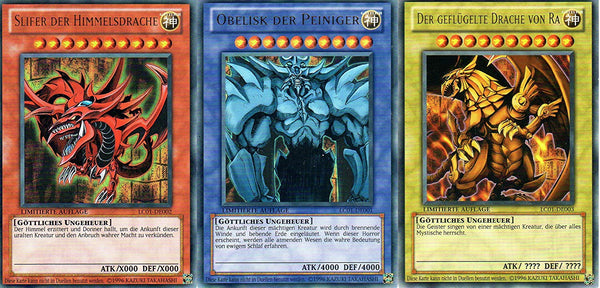
Yugioh TCG is a card game in which two players try to defeat each other by reducing their opponent’s Life Points to 0 with a collection of monster, spell and trap cards.
Preparation
- Deck
- Coin ( possibly)
- Cube
The deck
Each player must have three different types of decks. It is also required that your main deck contains between 40 and 60 cards.
- Main deck
- Extra deck
- Sideboard
Main deck:
Your main deck is relatively self-explanatory. It is your main deck from which you also draw cards. It is advisable to keep the number of cards in your deck at the lower level, i.e. the minimum. But this is not necessary. A card may be present in the deck a maximum of 3 times.
Extra deck:
This pile contains all your Synchro and Fusion monsters that can be used during the game if certain conditions are met. This deck can contain between 0 and 15 cards and is not taken into account when counting your main deck.
Side Deck
This deck is also limited to 15 cards and gives you the opportunity to adapt your battle situation as you wish. After each duel, you can swap cards from the side deck with your main deck. This allows you to react better to your opponent’s combo, for example.
The playing field
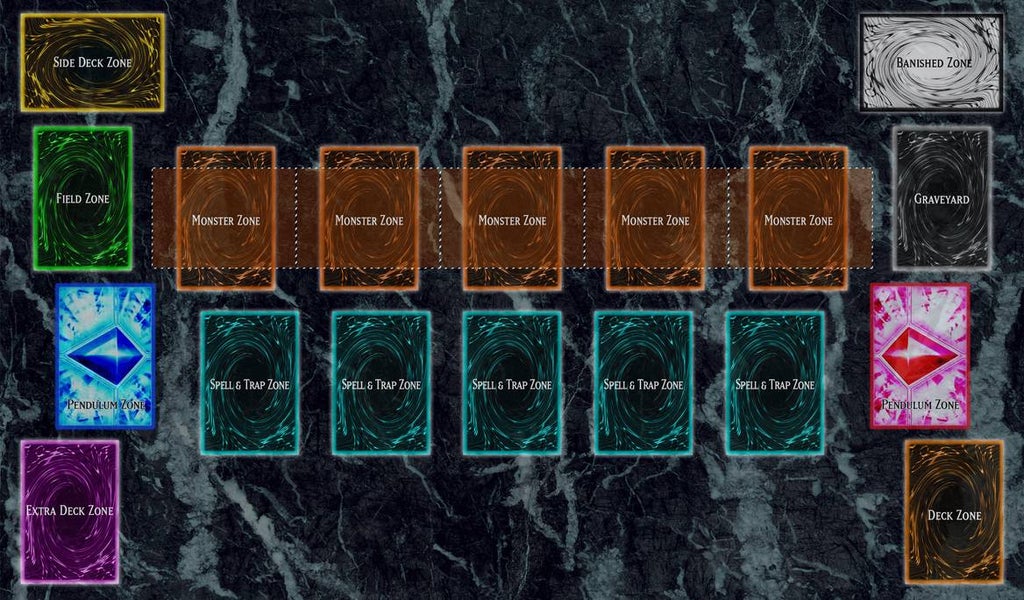
Image from www.deviantart.com
Before you can play Yugioh, you need to know where cards can and cannot come into play. A distinction is made between the following game zones:
- Main Monster Zone
- Spell and trap zone
- Cemetery
- Cover zone
- Field zone
- Extra cover zone
- Extra monster zone
- Pendulum zone
The playing field consists of a total of 30 individual fields and comprises the playing field sides of both players. A player’s side of the field consists of 14 individual zones and one to a maximum of two extra monster zones. The side deck and the banishment zone are not shown on the playing field and are therefore not listed below.
Cover zone
The deck zone contains the player’s deck face down.
Cemetery
All cards that are destroyed, discarded or otherwise used up are placed here.
Main Monster Zone
Each player has five Main Monster Zones, formerly Monster Zones. Main monster zones are for summoning monsters from the hand, the deck, the graveyard and the banishment zone.
Become main monster zones from Linkmonster are linked (i.e. a red pendulum arrow points to them), they can be used to summon monsters from the Extra Deck. Extra Deck monsters that are Summoned from the Graveyard or Banishment Zone, or change control due to a card effect, or leave the field temporarily, are placed in a free Main Monster Zone.
Magic & trap zone
In the Spell & trap zones , formerly Spell and trap card zones is where a player’s spell and trap cards are located. Here, too, each player has five zones; if all zones are occupied, no new spell and trap cards can be activated/placed from the hand. No player can place spell and trap cards in the graveyard at will to make room. The Spell & Trap Zone now also includes the Pendulum Zone, so that a player can control either a maximum of five Spell & Trap Cards or three Spell & Trap Cards and two Pendulum Monsters in the Pendulum Zones.
Extra monster zone
The two Extra Monster Zones are for summoning monsters from the Extra Deck. Each player can only have one Extra Monster Zone (exception: Extra Link). Other monsters cannot be summoned to the Extra Monster Zone. If the Extra Monster Zone is occupied and no other zone is unlocked, no new monsters can be summoned from the Extra Deck unless the Extra Monster Zone is unlocked as part of the summoning process. The Extra Monster Zone does not contribute to the Main Monster Zone limit. Monsters from the deck cannot be summoned to the extra monster zone.
If both Extra Monster Zones are free, the player who first summons a monster from the Extra Deck may choose a zone. (At the start of the duel, the zones are not part of any player’s field. Only when they are occupied do they become part of the field of the player who controls the monster in them). If a monster leaves the Extra Monsters, even if only temporarily, it is placed in any free Main Monster Zone upon its return, regardless of whether it is linked or not.
Extra deck zone
The extra deck zone, formerly fusion deck zone, contains the player’s extra deck face down.
Field zone
In the Field zone, formerly playing field card zone, the playing field spell cards are played, either face up or face down. There can only be one field spell card on each side of the field. If a player activates or places a new field spell card, the previous one is destroyed by the game mechanics and placed in the graveyard.
Pendulum zone
In the Pendulum zones become the pendulum monsters placed. With the introduction of link monsters, the pendulum zones are now part of the spell & trap zones. If the pendulum zones are occupied, they are also treated as pendulum zones. If there are no pendulum monsters in the pendulum zones, they are treated as normal spell & trap zones and can be used for spell and trap cards. (Both pendulum zones are independent of each other in this respect, i.e. if the left-hand pendulum zone is occupied by a pendulum monster, the right-hand pendulum zone remains free for other spells and traps).
Card types explained:
Monster cards
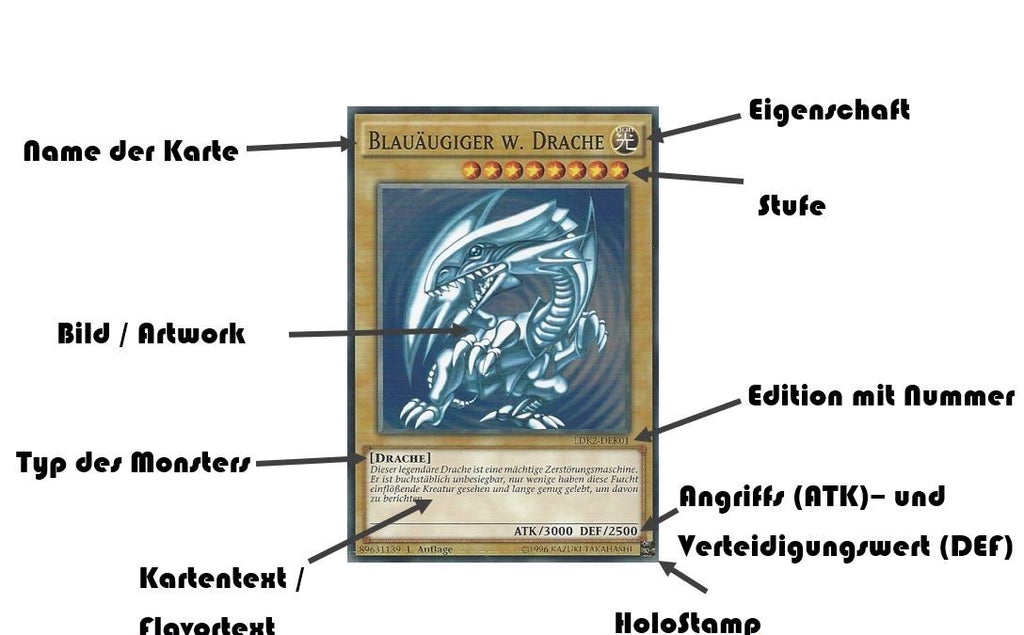
There are 7 different monster cards:
- Normal monsters
- Effect monster
- Synchro monster
- Fusion monster
- Ritual monster
- XYZ monster
- Pendulum monster
Normal monsters:
Normal monsters have no special effects, but usually have higher ATK (strength) and DEF (defense) points than effect monsters.
Effect monster:
Effect monsters are monsters with special abilities. They have various effects of different strengths, which are printed on the card. Effect monsters make up the majority of monsters in Yugioh.
Fusion monster:
The other monster cards in your Extra Deck are Fusion Monsters . To Summon these cards, you must perform a Fusion Summon.
Ritual monster:
Outside of the main deck, Ritual Monsters are monster cards that also require a Special Summon, called a Ritual Summon. You must have all the required cards in your hand or on the battlefield.
XYZ monster:
The Xyz monsters were added to the game in 2011. These are also kept in the Extra Deck.
Xyz monsters are black, have a rank instead of a level and can have effects or be effectless.
To summon an Xyz Monster, several monsters with the same Level are required, whereby the number of monsters required depends on the Xyz Monster. In addition, further requirements such as certain types, characteristics or topics are available.
Pendulum monster:
The pendulum monsters found their way into the game in 2014. They are the first monsters to feature two colors in their layout.
Spell and trap cards:
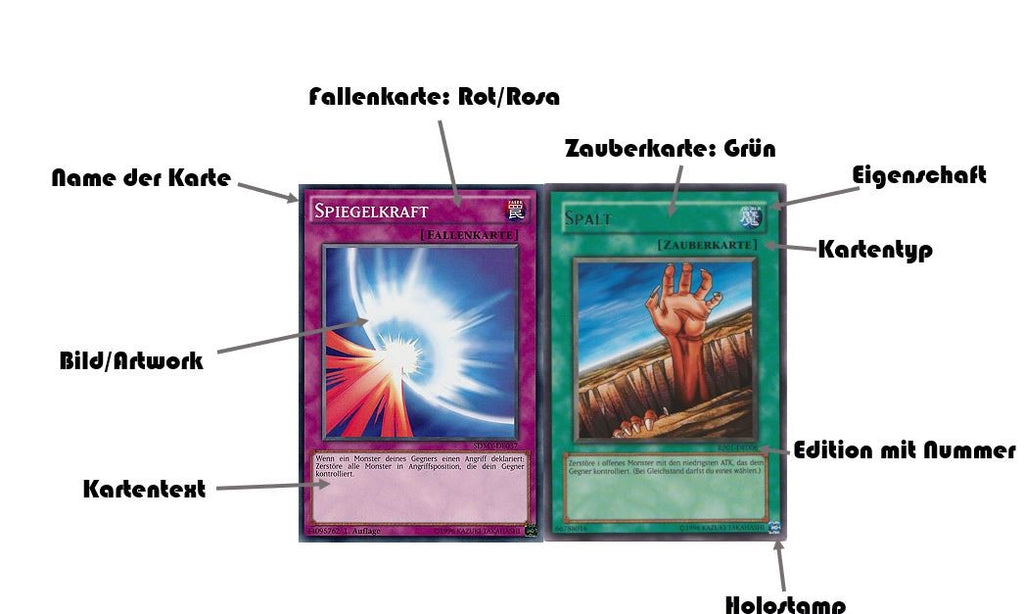
The main difference between spell cards and trap cards is that spells are mainly used to boost attacks, while traps are mainly used to disrupt enemy attacks. Also, traps must be set on the field and cannot be activated in the same turn, whereas most spells can be activated in the same turn you play them. There are different types of spell and trap cards:
-
Magic cards
- Normal spells
- Ritual spells
- Permanent spells
- Equipment spells
- Field magic
- Quick magic
-
Trap cards
- Normal traps
- Continuous traps
- Counter traps
Normal spells:
The effects of normal spells can only be used once. As soon as they are used, they are sent to the graveyard. These cards are activated by alerting your opponent to their use and putting them face up into play. The specific effect of the spell is described on the card.
Ritalzauber:
The Ritual Spell Card is one of the cards required for a Ritual Summon. After it has been used, it is sent to the graveyard.
Permanent spells:
Permanent spells are cards that remain in play and have a permanent, continuous effect on the game. This effect can either be positive for the user or negative for the user’s opponent. Beware, there are cards that the opponent can use to destroy these continuous spells.
Equipment spells:
Equip spell cards that are attached to a monster on the field and improve its abilities. These spells are uninterrupted on the field, but can only be attached to one monster. If this monster is destroyed, flipped face down or removed from the field, the equipment spell is also destroyed.
Field magic:
Field spell cards are special spells that are activated in the field map zone. This is a special area on the battlefield where only field spells can be played. Only one field spell from each player can be active. If someone activates a new field spell, the previous one is destroyed.
Quick magic:
Are special spells that can be played in any phase of your turn and your opponent’s turn.
Normal trap:
To activate a normal trap card, it must first be placed on the field. Normal traps are like normal spells for one-time use, and after the effect takes effect, the card is sent to the graveyard.
Permanent trap:
Such traps are great for limiting your opponent’s options. As long as the card remains open, its effects are continuous, just like a continuous spell.
Counter trap:
After the activation of other spells or traps, counter trap cards have the ability to negate the effects of these cards.
Summon monsters:
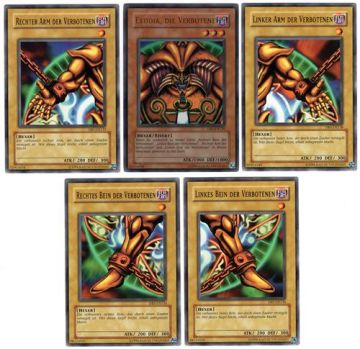
To use your monster cards, you must summon them. Some summoning actions are simple, others require several steps and cards.
- Normal Summon: In a Normal Summon, you either play your monster in face-up Attack Position or face-down Defense Position.
- Tribute invocation: Monsters of level 1to 4 need none Tribute, monster of the Levels 5 and 6 a Tribute and monsters of the Level 7 or higher two Tribute. (You may only pay one Perform normal or tribute summoning)
- Flip Summon: You can move a monster from the face-down defense position into the open attack position bring. This is known as flip summoning. It is not possible to change the monster to face-up defense position. A monster cannot be can be summoned as a Flip Summon by placing it on the field. was set.
- Special Summon: A special incantation is only possible through a card effect. Ritual Summoning, Fusion Summoning, Synchro Summoning and Xyz Summoning all belong to the special summons. You can make as many special summons as you like per turn. You can bring monsters onto the field in either open attack or open defense position.
- Ritual incantation: Such summons are comparable to tribute summons, but an additional spell card is required. Each ritual monster has its own ritual spell card. The level of the tribute must be equal to or higher than the level of the ritual monster.
- Fusion conjuration: For a fusion summon, fusion material monsters, fusion monsters and a Magic card (e.g. polymerization) is required. First activate the spell card, then place the fusion material on the fusion monster on the Cemetery and finally takes the Fusion Monster from the Extra Deck onto the field.
- Synchro Summon: When you send 1 face-up “Receiver” monster and any number of face-up non-Receiver monsters from your side of the field to the Graveyard, you can send a Synchro Monster as a Special Summon. The sum of all their levels must exactly match the level of the synchro monster.
- Xyz Summoning: To an Xyz monster Summon, there must be two or more monsters of the same Level on the field. These monsters can be used as Material Monsters to Summon the Xyz Monster. In this case, Material Monsters are not sent to the Graveyard, but to a stack in a Monster Zone where the Xyz Monster is also placed.
- Pendulum Summon: If there is a Pendulum Monster in each Pendulum Zone , you can Summon any number of monsters from your hand and/or any number of Pendulum Monsters from the Extra Deck whose Level is between the two Pendulum Zones of the Pendulum Monsters in the Pendulum Zones .
- Link invocation: A summoning of a link monster. Open monsters on your side of the field are used as link material. and sent to the graveyard. The Link Monster is then placed in a free Extra Monster Zone or in an unlocked Main Monster Zone.
Fight in Yu-Gi-Oh!
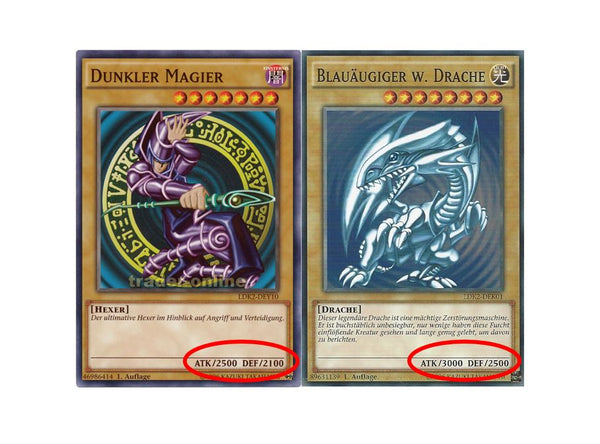
There are 3 different positions in which cards can be located on the battlefield:
- Open attack
- Open defense
- Covert defense
A monster card in the open Attack position is able to declare attacks and can also be attacked. In this position, the ATK value of the monster represents the card in a combat situation.
A monster card in the open defense position can declare no attacks, but are attacked. In this position, the monster’s DEF value represents the card in a battle situation. Monsters in this position cannot be Normal Summoned unless a card’s effect allows it.
A monster card in the face down Defense position follows the same rules as the open defense position except for two things; monsters CAN be summoned face downbut cannot be equipped. When a face-down monster is attacked, reveal the card during damage to calculate the required damage
Attacking a monster in the attack position is also different from attacking a monster in the defense position. Here is:
-
Attack against attack
- If your monster’s ATK value is higher than your opponent’s ATK value, your opponent’s monster is sent to the Graveyard and the amount of the ATK surplus is subtracted from your opponent’s Life Points.
- If the ATK value of both monsters is even, both monsters are sent to the Graveyard.
- If your monster’s ATK value is lower than your opponent’s ATK value, your monster is sent to the Graveyard and the amount of the ATK surplus is deducted from your Life Points.
-
Attack against defense
- If your monster’s ATK value is higher than your opponent’s DEF value, your opponent’s monster is sent to the Graveyard. Life Points are not damaged.
- If the ATK and DEF values of both monsters are equal, it is a tie. No monsters are destroyed.
- If your monster’s ATK value is lower than your opponent’s DEF value, the amount of the excess DEF value is deducted from your Life Points. No monsters are destroyed.
Card effect rules (also called chains)
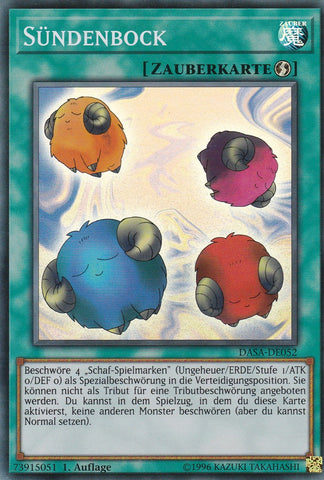
Each time a card with an effect is activated, the opponent of the player who activated the effect is given the opportunity to respond to that effect with an effect of their own. If they do not respond with an effect, the player who activated the first effect has the option to place another effect on top of the original, and the cycle starts over until both players finish playing the effects. If a player adds additional effects, a chain is created.
If you want to respond to an effect and create a chain, you must play an effect with a casting speed of 2 or higher, and the respondent cannot have a lower casting speed than the previously played effect. Each card effect has a casting speed of 1 to 3. Here are the different types of casting speeds:
- Spell speed 1 Spells (Normal, Create, Continuous, Field, Ritual), monster effects (Ignite, Trigger and Turn)
- Spell speed 2 Trap, quick spells, quick effects of the effect monster
- Spell Speed 3 Counter Trap (type of trap cards)
The turn player always has priority when activating card effects. This means they have the choice of whether or not to use an effect, and the opponent can only activate an effect if the turn player activates an effect and creates a chain, or if it is an effect that is activated automatically, such as a trigger or flip effect.
Game phases in Yugioh:
Each round contains six phases:
- Draw phase
- Standby phase
- Main phase 1
- Battle Phase
- Main phase 2
- Final phase
Draw Phase – The player draws a card and is given the opportunity to activate trap cards or quick spells
Standby Phase – All effects that are activated or costs that must be paid are completed in this phase
Main Phase 1 – The player can summon or set a monster, change the monster’s battle position, activate a card or effect and/or set Spell and Trap Cards.
Battle Phase (combat phase) – You can choose not to fight. In this case, you will enter the final phase. However, if you wish to enter combat, proceed as follows:
- The player should announce “I am entering the Battle Phase”. (The player with the first turn cannot perform a Battle Phase on their first turn).
- Select a monster you want to attack with and choose your target. You can only attack your opponent’s Life Points directly if your opponent has no monsters on the field. Each monster in the open attack position is allowed a single attack per turn (more on the positions in the “Rules for monster battles” section below).
- Calculate the result of the battle. (Questions about calculations can be found below in the section on the rules for monster battles).
- When you have finished, inform your opponent that you are ending the Battle Phase.
Main Phase 2 – Same actions as Main Phase 1, unless you have already summoned or set a monster in the current turn.
End Phase – During this phase, resolve activated card effects and discard them if you have more than six cards in your hand.
Other rules
For some cards, the number of copies allowed in the deck is more limited (in contrast to the general limit of 3 copies). A list of all card restrictions can be found at www.yugioh-card.com
Monster Tokens are monster cards that have been loaded onto the battlefield from the activation of a card’s effect. It does not have to be a card, it just has to be a physical object that can indicate the attack and defense position. Monster tokens only exist on the battlefield and occupy one of the five points in the monster card zone. When a token is destroyed, it is removed from the field.
The number of cards in a player’s hand, their decks and their graveyard as well as a player’s Life Points are all publicly known.
A certain card effect takes precedence over basic rules.
The Yu-Gi-Oh! card game is complex, but it’s a lot of fun once you’ve seen the monsters, spells and old-fashioned duels. Now that you know how to play Yugioh, you need to assemble a deck or buy a ready-made deck. See decks. You can also find everything else such as play mats, card sleeves and much more in our store!
 Lego
Lego